
The problem of global warming
22.04.2022
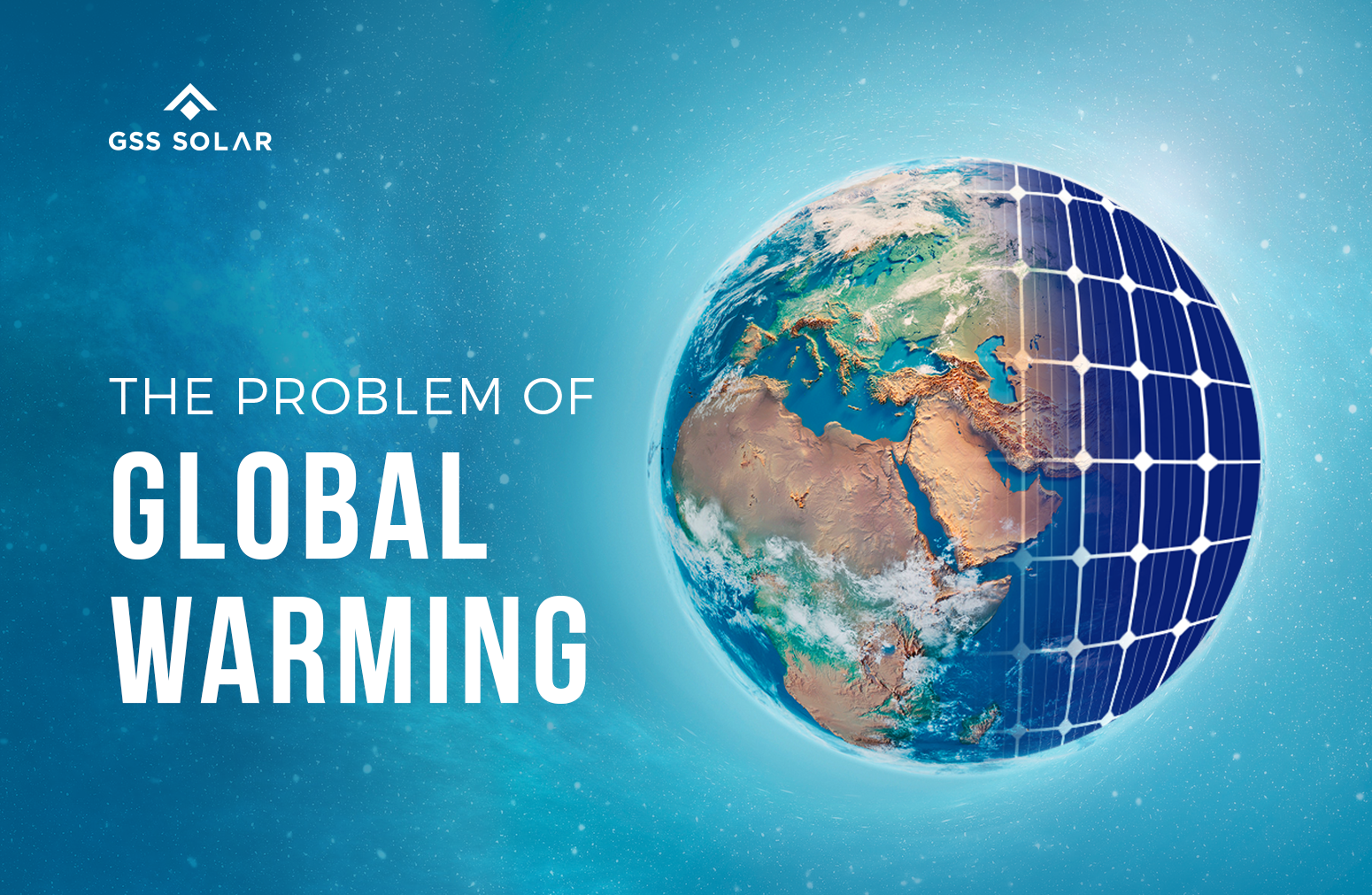
Recently, the climate on Earth has changed greatly. Some countries suffer from abnormal heat, others from extreme cold and snowy winters. Greenhouse gasses produced by human activity are released into the atmosphere. Carbon dioxide (CO2) is produced when people use fossil fuels to get energy or when they burn or cut forests.
The unsparing use of natural resources is an ecological burden on the planet. There is compelling evidence that global warming over the past 50 years is the result of human activity. And, if different countries do not start bringing life to the accepted international environmental agreements, then by 2100 the temperature of the planet may increase by 1.4-5.8 °С.
Environmentalists warn. an increase in temperature even by 2°С will have irreversible results for our planet. It will increase the melting of the glaciers, the sea level will rise sharply, the flora and fauna will be damaged. Climate change will also lead to the emergence or exacerbation of new diseases.
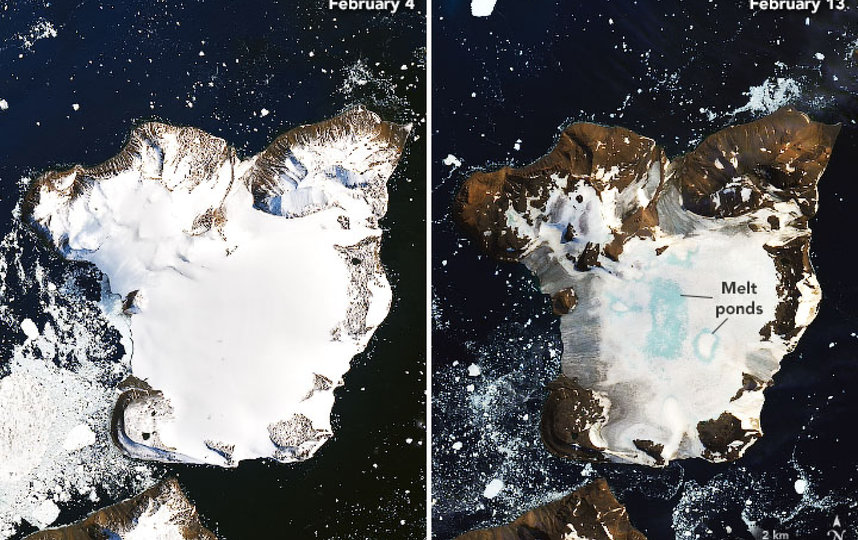
Global warming does not bypass Armenia either. Armenia is more sensitive to climate change due to vulnerable ecosystems, dry climate and frequent natural disasters. In recent years have significantly increased extreme weather phenomena such as drought, frost, hailstorm, mudslide, flood, strong wind, forest fire.
It is necessary to limit greenhouse gas emissions, use alternative energy, and develop a strategy to reduce the risks caused by warming. It is necessary to introduce energy-saving technologies and switch to alternative sources of energy.
There are several sources of energy that are safe for the atmosphere in terms of emissions: hydropower, nuclear power and new renewables such as solar, wind and tidal. Hydropower has visible limits (rivers on Earth are not so many and not accessible to everyone), wind and tides can be used without limitation, but only at the places of their production, so the main future energy sources are the sun and nuclear. However, considering the fact that the splitting of the atom requires a huge amount of water, this does not justify itself in the best way. And the sun is accessible to everyone, has no emissions and doesn’t require other factors to work.

The trump card of solar energy is almost universal access and dynamic technological development. Also, solar power is ongoingly improving and can become much more economical than nuclear power.
The Armenian government has taken steps within the framework of the fight against climate change. The national action plan was approved by the government, which envisages:
- increase the level of energy saving and energy efficiency,
- develop renewable energy,
- Increase the number of forests to 20.1%,
- using modern land use technologies to rehabilitate degraded lands and maintain the fertile soil layer.
On April 22, the world celebrates Earth Day. Earth Day is credited with starting the modern environmental movement, and is now recognized as the largest civic event throughout the world.

In 1970, the first Earth Day sparked a wave of actions, including the acceptance of important environmental laws in the United States. The Clean Air, Clean Water, and Endangered Species laws were adopted in response to the first Earth Day in 1970. Many countries soon adopted similar laws as well.
What can all of us do to slow down climate change for a "cleaner and greener" earth to live in?
- Save electricity. Turn off unnecessary lights in your home.
- Save water! Reduce bathing time to 5 minutes and turn off the tap while brushing your teeth, saving a resource so important to all of us.
- Less food waste, less damage. Plan the amount of food and store it properly so that you waste as little food as possible. After all, food production also damages the planet Earth.
- No to plastic. Use a reusable bag to avoid single-use plastic bags. And don't forget to take the bag with you when you go shopping.
- Add oxygen to the house. Grow plants at home!